AI

5 YEARS OF TECHNOLOGY EXCELLENCE

Artificial Intelligence (AI) has been the catalyst for profound transformations across various technological domains. Its application facilitates the automation of diverse operational systems, yielding substantial improvements in efficiency, performance, and precision. The reach of AI is extensive, spanning multiple sectors—from consumer electronics like mobile devices and industrial automation systems to specialized applications within healthcare diagnostic procedures, consistently delivering rapid and highly reliable outcomes.

In diverse industrial sectors, Artificial Intelligence (AI) plays a pivotal role in augmenting human capabilities, enabling operations to proceed with greater efficiency and velocity, often independent of direct human intervention. Specifically, the Manufacturing sector is now capable of implementing fully integrated manufacturing systems without incurring the operational overhead associated with increased personnel. This is achieved because machinery, powered by AI, can execute complex, multifunction tasks that previously necessitated substantial human resource deployment.

VOICE RECOGNITION

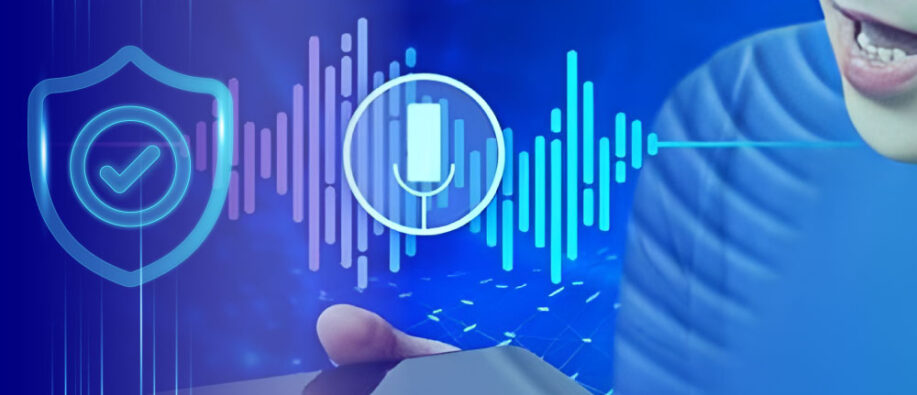
Voice recognition is frequently designated by the technical term, voiceprint. It represents the identification and authentication component within the broader spectrum of vocal modalities. Voiceprint data is securely archived in digital databases, mirroring the storage methodology utilized for fingerprints and other biometric identifiers.
Concurrent with the expansion of the Internet of Things (IoT), voice recognition is experiencing a surge in application for securing machine-to-machine (M2M) networks. This technology provides a convenient and robust pairing mechanism, proving especially valuable for devices where the incorporation of a traditional user interface is operationally or economically constrained.
Nexcom’s proprietary voice recognition solutions are widely integrated into sophisticated security architectures across corporate environments, industrial facilities, and residential complexes.

VIRTUAL AGENT

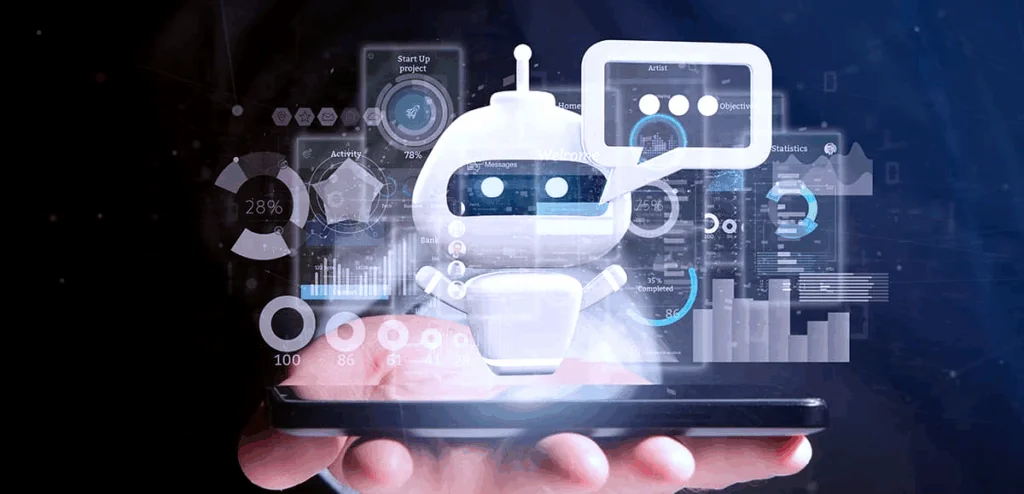
A Virtual Agent is defined as a computer-generated, and occasionally animated, artificial intelligence-driven virtual entity. It is primarily deployed to deliver automated services or guidance to human users, effectively functioning as a sophisticated online customer service representative. This technology facilitates intelligent, nuanced conversations with users, processes complex queries, and executes appropriate non-verbal cues when necessary. ​Nexcom integrates Virtual Agents within our comprehensive digital transformation initiatives to enable client organizations to manage a diverse array of internal functions. These applications include addressing employee-driven requirements, such as the automated processing of requests for computer password resets, guiding personnel through structured work tasks and standardized processes, and delivering other essential help desk-level services.

MACHINE LEARNING

Machine Learning (ML), a critical subset of Artificial Intelligence (AI), is dedicated to the development of computational algorithms that autonomously enhance their performance through iterative experience, eliminating the necessity for explicit programming. This discipline focuses on creating software capable of accessing and processing data to facilitate learning, pattern identification, and autonomous decision-making with minimal human oversight. ​ML is the principal catalyst driving the rapid advancement in the capabilities of voice-activated user interfaces. Furthermore, its application is widespread across numerous high-impact sectors.